
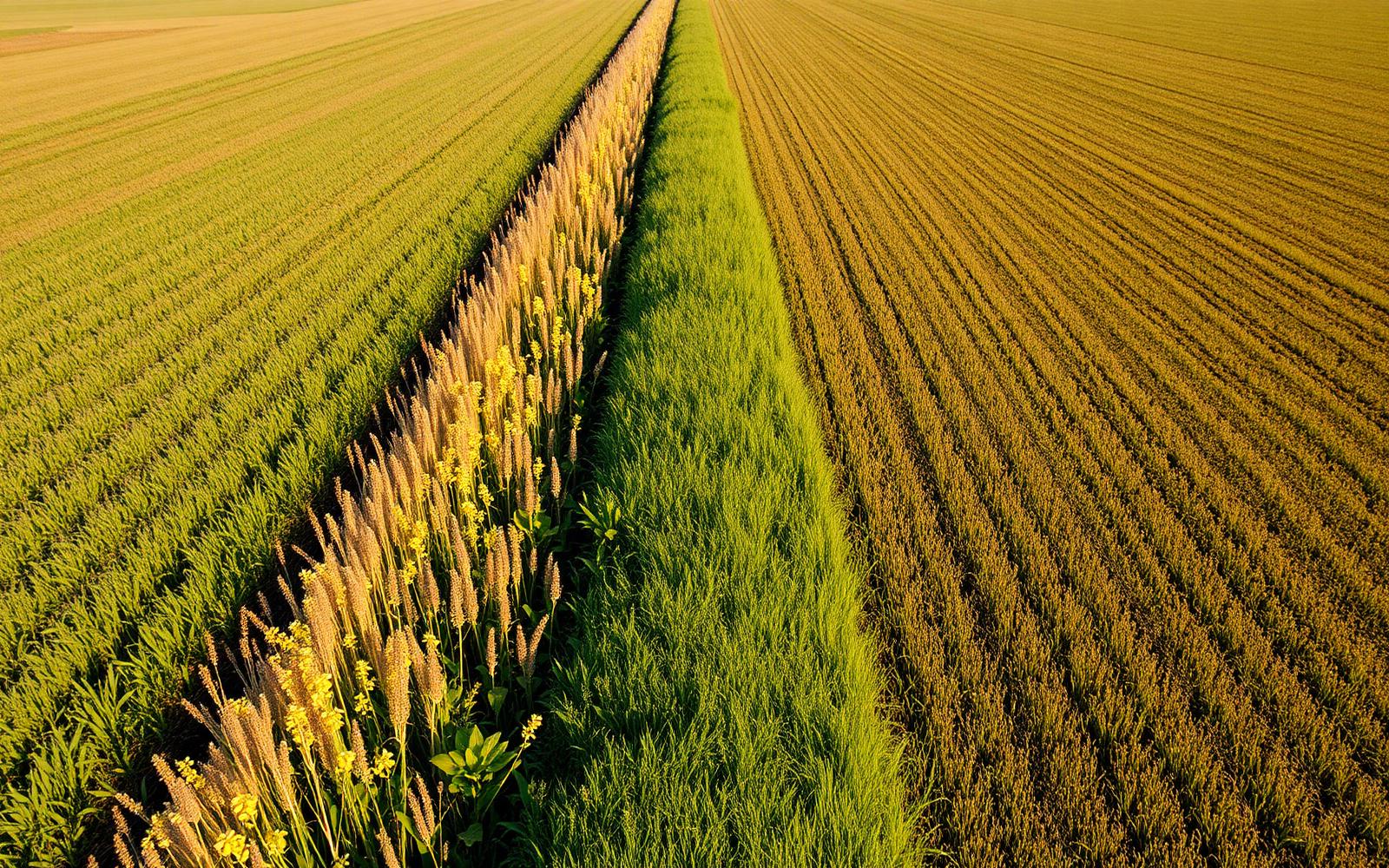
CP33 Quail Buffer Mix
Shortgrass and forb buffer mix built for bobwhite quail edges.
CP33 is the USDA Habitat Buffers for Upland Birds practice. Our CP33 mix blends shortgrass structure with a broad forb component to deliver the open ground-level structure, brood cover, and insect production quail chicks need.
At a glance
- Seeding rate
- 7–9 lbs PLS/acre
- Coverage / sizes
- Sold by the acre; 1/2 acre and full acre bags standard
- When to plant
- Dormant seed late fall through early spring.
- Site fit
- Field-edge buffers on upland cropped ground.
Highlights
- Little bluestem and sideoats grama backbone
- Broad forb component for insect production
- Meets USDA CP33 buffer spec
- Open structure for quail broods
Common use cases
- — CP33 quail habitat buffers
- — Field edges bordering row crops
- — Fence-line and ditch buffers
FAQ
How wide does a CP33 buffer need to be?
Typically 30–120 feet along field edges. Your county CP33 sheet will spell out the required width and species list for your area.
Recommended in these states
CP33 Quail Buffer Mix appears in our state guides for the regions below. Jump straight to this mix's card on the state guide.
Dormant seeding November through early March is preferred statewide for cold-stratified forbs. Frost seeding into snow works well on the Des Moines Lobe.
Dormant seeding late October through March. Driftless slopes benefit from frost-seeding into thin snow cover.
Dormant November through early March. Central Illinois' deep prairie soils establish CP25 unusually well when seeded on time.
Dormant seeding late October through early March. Missouri's warm springs mean you can push into mid-April on well-drained sites, but earlier is safer.
Dormant late October through February. Spring seeding can work east of Salina but is risky west — soil moisture disappears fast.
Dormant late October through March. Michigan's Great Lakes moderation means winter dormant seeding is highly reliable.
Dormant late October through early March. Southern Indiana can extend into late March on well-drained sites.
Dormant late October through early March. Ohio's Lake Erie moderation supports reliable dormant seeding through winter.
Plant warm-season natives from February through April in most of Texas, or in late summer ahead of fall moisture in the Panhandle. Dormant winter seeding works in the northern Panhandle but is risky on the Gulf side, where warm spells trigger early germination.
February through April is the primary window for warm-season natives statewide. Late-winter dormant seeding works well in the Panhandle and northern tier; avoid seeding into summer heat.
Related mixes
Ready to order or need a custom blend?
Tell us your acres, county, and CRP practice — we'll put together a quote tuned to your seeding sheet.
Request a quote for CP33 →